
Transforming Your Online Presence with a Local Website Redesign Partner
Every business owner knows that first impressions matter, and in today’s digital age, your website is often the very first interaction potential customers have with your brand. If your site is outdated, difficult to navigate, or not mobile-friendly, you could be losing valuable leads without even realizing it. Many entrepreneurs hesitate to revamp their sites because the process feels overwhelming. However, working with a trusted local professional can make the transition smooth and rewarding. That is exactly what you discover in What to Expect When You Redesign Your Website with a Local Pro, a guide that helps business owners prepare for the journey ahead.
Why a Website Redesign Is Crucial for Growth
A strong website is more than a digital business card. It is the foundation of your online presence. Over time, technology, design standards, and consumer expectations evolve. A site that once looked modern may now appear outdated or lack critical functionality.
Some key reasons to consider a redesign include:
-
Improved User Experience: Modern layouts make navigation intuitive and keep visitors engaged.
-
Mobile Responsiveness: With most users browsing on smartphones, a site that does not adapt will lose traffic.
-
SEO Benefits: Updated structures and optimized coding can significantly improve your search rankings.
-
Brand Consistency: A redesign allows you to align your site with your latest branding and messaging.
The Advantage of Partnering with a Local Expert
Choosing a local professional for your redesign offers unique benefits. Unlike remote contractors who may not understand your market, local partners bring regional insight and personal collaboration.
Benefits of working locally
-
Face-to-Face Meetings: Direct communication reduces misunderstandings and helps clarify goals.
-
Understanding the Local Market: A local designer knows what appeals to your audience and can tailor the design accordingly.
-
Ongoing Support: You have easier access to continued maintenance and troubleshooting.
The Redesign Process Explained
Knowing what to expect makes the process less intimidating. A well-planned redesign typically follows structured phases.
Step 1: Initial Consultation
You and your local pro will discuss your business goals, audience, and existing challenges. This is where pain points are identified and clear objectives are set.
Step 2: Website Audit
A full review of your current site helps uncover what works and what needs to be replaced. Page speed, design quality, SEO structure, and security are often assessed here.
Step 3: Strategy and Planning
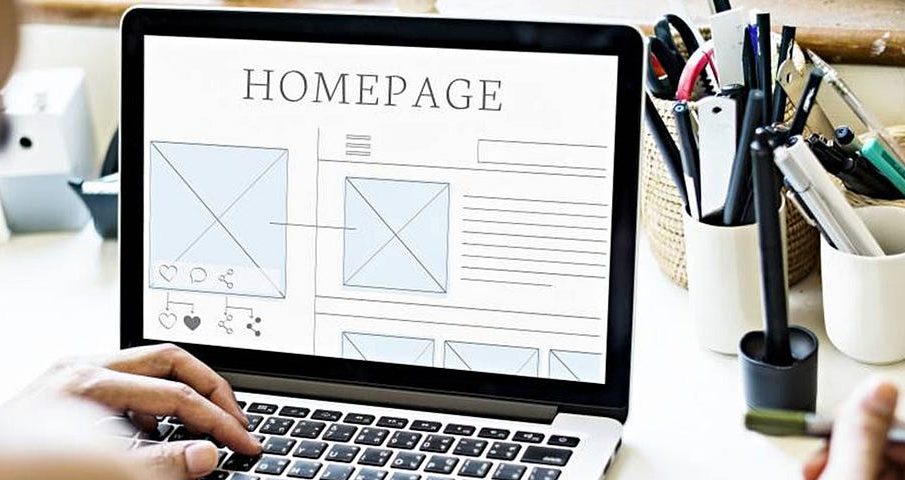
A redesign is not just about visuals. The professional will map out your site architecture, define content needs, and create a wireframe to guide development.
Step 4: Design and Development
This is where creativity meets technology. Designers create mockups that align with your branding, and developers bring those ideas to life with coding and integrations.
Step 5: Content Integration
Fresh, optimized content is added, ensuring your messaging is clear, persuasive, and search-friendly.
Step 6: Testing and Quality Assurance
Before launch, your site is tested across browsers, devices, and platforms to confirm seamless functionality.
Step 7: Launch and Post-Launch Support
Your site goes live, but the work does not stop. Local professionals often provide training, analytics setup, and ongoing support to keep your site performing.
Common Challenges Business Owners Face
Even with expert help, certain challenges are common during redesigns. By anticipating them, you can stay prepared.
-
Scope Creep: Adding too many features mid-project can delay timelines.
-
Content Delays: Content creation often takes longer than expected if not planned early.
-
Budget Concerns: Costs may rise if unexpected needs arise, making upfront clarity important.
-
Change Resistance: Teams may resist adopting new systems or workflows.
A seasoned local pro will help you navigate these obstacles smoothly.
Measuring Success After a Redesign
A redesign is only valuable if it delivers measurable results. Post-launch, you should track key performance indicators such as:
-
Increases in website traffic and engagement
-
Higher search engine rankings
-
More conversions, whether through sales, sign-ups, or inquiries
-
Reduced bounce rates as users spend more time on your site
Analytics tools make it possible to monitor performance and make data-driven improvements.
Real-Life Benefits of a Local Website Redesign
Business owners often report significant improvements after working with a local professional. Some examples include:
-
Local restaurants that see a surge in online reservations after improving mobile usability
-
Service providers who generate more leads through better contact forms and SEO
-
Retailers who boost sales by integrating e-commerce functionality with modern payment systems
These success stories highlight how the right redesign can reshape your digital presence and open new opportunities.
FAQs About Website Redesigns with a Local Pro
Q. How long does a typical website redesign take?
A full redesign usually takes 6 to 12 weeks, depending on site complexity, the speed of content delivery, and approval processes.
Q. Will my website be offline during the redesign?
No. Professionals typically build the new site in a staging environment, so your existing site stays live until the new one is ready to launch.
Q. Do I need to provide all the content for the redesign?
Not always. Many local experts offer content writing or editing services. However, providing background materials, product details, or brand guidelines will speed up the process.
Q. How much should I budget for a website redesign?
Budgets vary widely based on size, functionality, and design complexity. A small business site may cost a few thousand dollars, while advanced e-commerce platforms will cost more.
Q. What happens after the site is launched?
Post-launch, your local pro should provide support such as website maintenance, software updates, SEO monitoring, and performance optimization.
Q. How do I know if my redesign is successful?
Review analytics within 60 to 90 days. Look for improved traffic, longer session durations, and more conversions. These metrics indicate your investment is paying off.


