How Trainers Use Wearable Data Without Letting It Run the Program
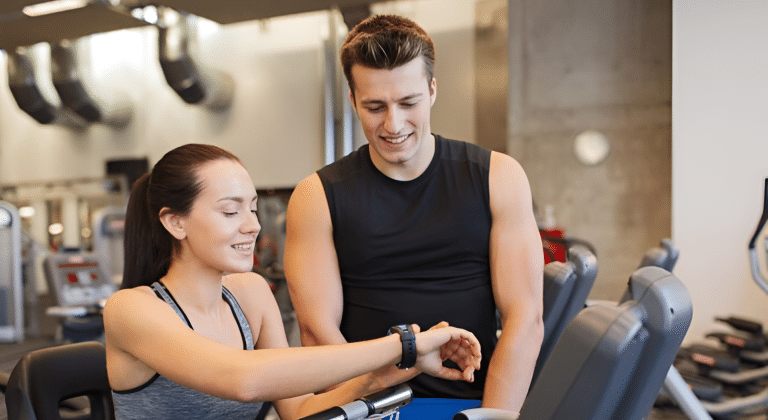
Wearables have made fitness data easy to access. A watch can show heart rate, steps, sleep, calories, workout time, stress estimates, and recovery scores. For many people, this data creates awareness. For others, it creates confusion. The numbers can be useful, but they should not control every training decision.
A personal fitness trainer singapore service can help clients use wearable data in a balanced way. A trainer can look at the numbers, connect them to real-life context, and decide what actually matters. Fitness data should guide the program, not run it blindly.
Data Is Only One Part of the Picture
Wearables collect information, but they do not know the full story. A watch may show poor sleep, but it may not know that the person had a stressful work call at midnight. It may show a high heart rate, but it may not know about caffeine, heat, dehydration, or anxiety. It may estimate calories burned, but that estimate may not be precise.
This is why data needs interpretation.
A coach can ask questions that the device cannot. How do you feel today? Did you eat enough? Are you sore? Is work stressful? Did the workout feel harder than usual?
These answers give the numbers meaning.
Heart Rate Can Help Manage Intensity
Heart rate is one of the most useful wearable metrics during training. It can show whether a cardio session is easy, moderate, or intense. It can also reveal when someone is pushing harder than planned.
For example, a client may think they are doing a recovery workout, but their heart rate may show moderate to high intensity. Another client may think they are training hard, but their heart rate may show that the session is too easy for the intended goal.
A trainer can use this information to adjust intensity.
Sleep Data Can Influence Training Decisions
Sleep affects performance, recovery, appetite, mood, and motivation. If a wearable shows several nights of poor sleep, the trainer may adjust the session. Instead of heavy lifting or intense intervals, the workout may focus on technique, mobility, moderate strength, or lighter conditioning.
This does not mean poor sleep always cancels training. Sometimes movement helps. But the intensity should match the body’s readiness.
Smart training responds to recovery.
Step Counts Support Daily Movement
Many people train a few times per week but sit for most of the day. Step counts can reveal this gap. A client may be consistent in the gym but still have low daily movement.
A trainer can use step data to encourage realistic activity outside workouts. This may include short walks, movement breaks, walking after meals, or using stairs when practical.
Daily movement supports general fitness and body composition goals.
Calories Burned Should Not Control the Workout
Calorie estimates are one of the most misunderstood wearable metrics. People may judge a workout by how many calories the device says they burned. This can lead to poor decisions, such as choosing only exhausting workouts or feeling disappointed after strength training because the calorie number looks lower.
Strength training may not always show a huge calorie burn during the session, but it supports muscle, strength, and body composition over time.
A trainer can help clients value training quality over calorie numbers.
Recovery Scores Can Be Useful but Imperfect
Some wearables provide readiness or recovery scores. These can be helpful, but they are not absolute truth. A low score may suggest caution, but it should be compared with how the person feels. A high score does not mean the person should ignore pain or poor technique.
Recovery scores are best used as conversation starters.
A trainer may say, “Your recovery score is low, and you also feel tired, so we will reduce intensity today.” That is better than blindly following the device.
Data Can Reveal Patterns Over Time
Single-day data can be misleading. Trends are more useful. If sleep is poor every weekday, the client may need better evening habits. If heart rate is unusually high during normal workouts, stress or recovery may need attention. If steps drop during busy work periods, the routine may need movement breaks.
Trends help trainers adjust programs more intelligently.
Good coaching looks at patterns, not panic.
Wearables Can Improve Accountability
Wearables can keep clients aware between sessions. They may remind someone to walk, stand, sleep earlier, or complete a planned workout. This light accountability can support consistency.
However, reminders should not become guilt. The goal is awareness, not pressure.
A healthy relationship with data keeps the person motivated without making them feel controlled.
Form Still Matters More Than Metrics
A wearable cannot tell whether a squat is controlled, whether the shoulders are stable, or whether the lower back is compensating during a lift. It cannot fully assess movement quality.
This is where coaching remains essential. Data can show effort, but form checks show how the effort is being produced.
A good trainer combines both. They may use heart rate data during conditioning, but still focus on technique during strength exercises.
Avoiding Data Anxiety
Some people become stressed by their wearable. They worry about missed steps, poor sleep scores, low calorie burns, or broken streaks. This anxiety can harm motivation.
A trainer can help clients use data more calmly. The client should understand that numbers fluctuate. One poor sleep night, one missed workout, or one low step day does not ruin progress.
Fitness is built through patterns over time.
Personal Goals Decide Which Data Matters
Not every metric matters for every client. A person focused on strength may track workouts, recovery, and sleep more than calorie burn. A person focused on general health may track steps and heart rate. A person managing stress may pay attention to sleep and lower-intensity movement.
A trainer can help choose the most relevant metrics so the client is not overwhelmed.
Technology Works Best With Human Judgment
Wearables are tools. They can improve awareness, but they cannot replace coaching judgment. Human trainers can understand goals, emotions, pain, motivation, and lifestyle context in a way devices cannot.
The best approach is not anti-technology. It is balanced technology use.
Use the data. Question the data. Apply the data wisely.
Making Wearables Part of a Smarter Program
A wearable can support a fitness program when it helps the client train better, recover better, and stay consistent. It becomes a problem only when the person starts serving the device instead of their own goals.
For people comparing training support, True Fitness Singapore may be relevant when looking for a fitness environment where technology, coaching, and practical programming can work together without losing the human side of training.
FAQ
Should workouts be based entirely on wearable data?
No. Wearable data should support decisions, but training should also consider goals, technique, recovery, pain, and how the person feels.
Are calorie estimates on watches accurate?
They are estimates and can vary. They should not be the main way to judge workout value.
Can sleep data help training?
Yes. Sleep trends can help trainers adjust workout intensity and recovery planning.
Why is coaching still needed if wearables track everything?
Wearables track data, but they do not correct form, understand full context, or design a complete personalised program.